
What Human Foods Can French Bulldogs Eat Safely?. Find which human foods are safe for French Bulldogs & help them eat safely with simple feeding tips.

Nutrient-Rich Fruits & Vegetables Suitable for French Bulldogs
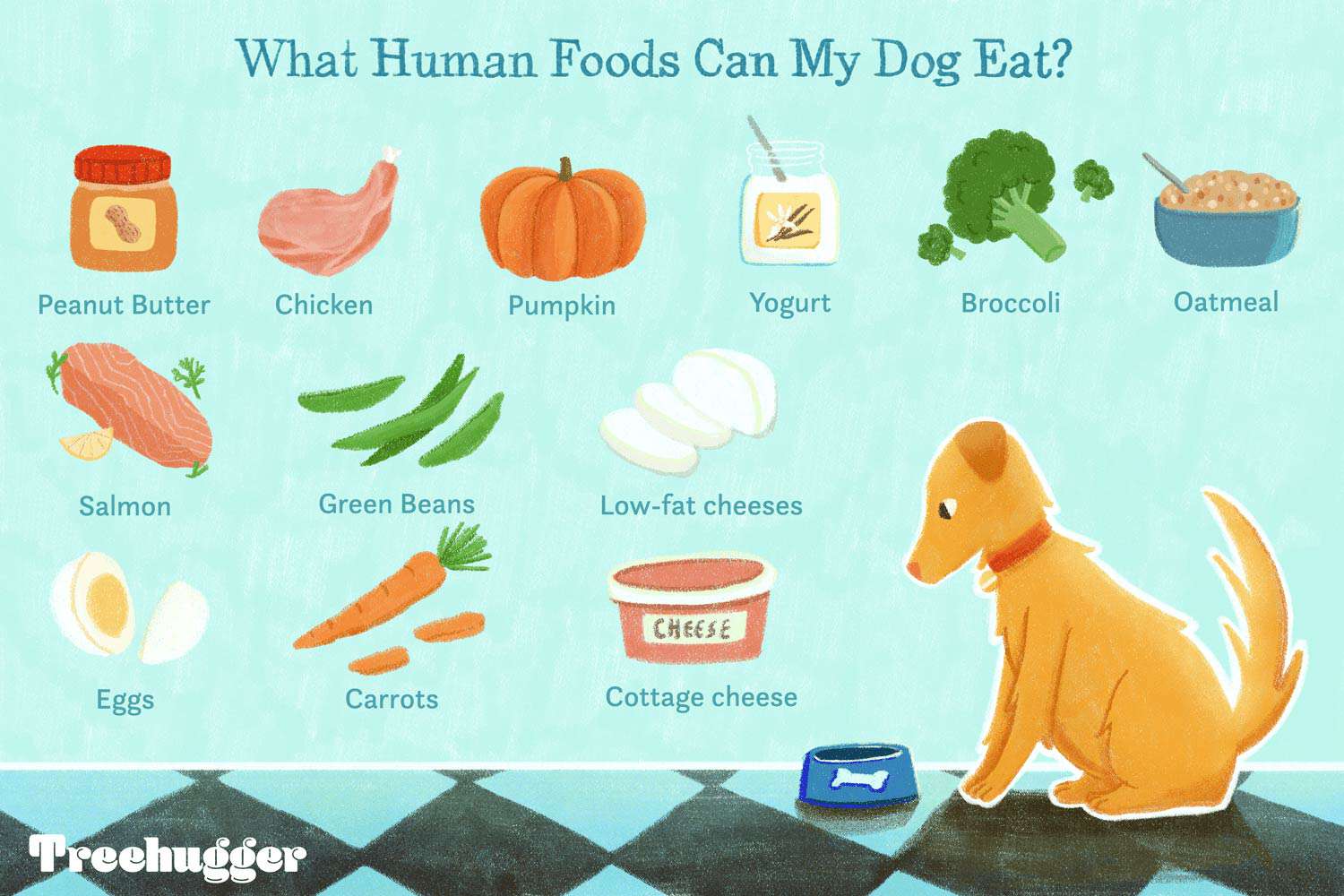
Feeding human foods that deliver vitamins & minerals helps maintain strong immunity & healthy digestion in French Bulldogs. Fresh produce offers natural hydration & fiber, promoting consistent bowel movements & reducing risks of weight gain. When selecting fruits & vegetables, always remove seeds, pits, & tough skins, which might cause choking or upset stomach. Introducing these items gradually allows you to monitor for allergy symptoms or gastric distress. Cut pieces into bite-sized portions to support safe chewing in brachycephalic breeds that often struggle with large chunks. Balance colorful veggies & fruits to maximize nutrient diversity. Rotate offerings to avoid nutrient imbalances & taste fatigue.
-
Blueberries: Rich in antioxidants that support eye health & protect cells from free radicals.
-
Carrot sticks: Provide beta-carotene, foster dental cleanings, & deliver vitamin A for skin & coat quality.
-
Apple slices (no seeds): Contain fiber & vitamins C & K for boost in immune response & tissue repair.
-
Green peas: Offer protein, fiber, B vitamins, & essential minerals for energy metabolism.
-
Pumpkin puree: High in fiber & moisture, aids digestion & can help firm up stools.
Lean Protein Sources from the Kitchen to Support Muscle Health
French Bulldogs require high-quality proteins to maintain muscle tone & metabolic function. Many owners wonder which human foods can fuel tissue repair without causing digestive upset. Lean meats & prepared fish provide essential amino acids without excessive fats that could lead to pancreatitis or obesity. Always cook proteins thoroughly to eliminate harmful bacteria & avoid seasoning with onion, garlic, or excessive salt. Portion control remains critical because small- to medium-size dogs have lower caloric needs compared to larger breeds. Use a kitchen scale or measuring cups to maintain precise serving sizes & adjust based on activity level, age, & overall health.
| Protein Source | Key Benefits |
|---|---|
| Skinless chicken breast | Low in fat, rich in niacin & B6 for muscle & brain health. |
| Turkey tenderloin | Offers lean protein & selenium for antioxidant defense. |
| Cooked salmon | Supplies omega-3 fatty acids that reduce joint inflammation & improve coat. |
| Boiled egg whites | Provide pure protein without yolk fats, support tissue building. |
| Lean ground beef (drained) | Delivers iron & B vitamins; drain excess fat to keep meals light. |
Beneficial Dairy Options & Safe Serving Techniques
Some French Bulldogs tolerate low-lactose human foods & dairy products in moderation. Plain yogurt or cottage cheese can support gut flora & calcium intake, but always opt for unsweetened varieties without artificial additives. Grate or mash firm cheeses into small pieces to minimize choking hazards. Offer dairy as an occasional reward rather than a daily staple to prevent fat overload & gastrointestinal upset. Monitor stool consistency & behavior after first feeding to detect lactose intolerance. If gas or diarrhea appears, discontinue dairy & consult a veterinarian.
-
Plain yogurt: Contains probiotics that promote healthy gut bacteria & nutrient absorption.
-
Cottage cheese: Supplies protein & calcium with lower lactose content than milk.
-
Hard cheese bits: Offer small quantities as high-value training treats, but limit to avoid weight gain.
-
Skim milk (a few tablespoons): Use only if your dog shows no signs of intolerance after trial servings.
“In selecting safe bites from the kitchen, observe your bulldog’s reaction closely to avoid any digestive setbacks.” – Ms. Aubree Tillman
Whole Grains & Carbohydrates That Offer Energy Boost
Appropriate human foods rich in complex carbs supply steady energy & support digestive health in French Bulldogs. Whole grains & starchy vegetables contribute fiber, B vitamins, & slow-releasing glucose. Preparing grains plain, without added salt, butter, or sauces, ensures your bulldog reaps benefits without risking sodium overload or hidden spices. Introduce new grains gradually & measure servings precisely; too much fiber may cause flatulence, while insufficient carbs can leave your pet lethargic. Consult your dog’s energy needs based on exercise frequency when balancing grain-based servings with protein & produce.
| Carbohydrate Source | Benefits |
|---|---|
| Cooked brown rice | Gentle on stomach, offers fiber & magnesium for nerve function. |
| Oatmeal | Provides soluble fiber that stabilizes blood sugar & promotes fullness. |
| Sweet potato | Rich in vitamins A & C, As well as dietary fiber for intestinal health. |
| Quinoa | Complete protein & gluten-free grain, ideal for digestion. |
Healthy Fats & Oils That Promote a Shiny Coat
Fats found in controlled portions of human foods can enhance skin integrity & coat luster for French Bulldogs. Essential fatty acids play a crucial role in reducing inflammation & supporting joint function. Use high-quality oils & fatty food sources sparingly, measuring by the teaspoon rather than free pouring. Overfeeding fats leads to rapid calorie accumulation & may trigger pancreatitis, which presents serious health risks. Rotate different oil types to ensure a broad spectrum of omega-3 & omega-6 acids, & monitor coat condition & energy levels for signs of improvement.
-
Flaxseed oil: Packed with omega-3 ALA to support cognitive function & calm skin itch.
-
Olive oil: Contains anti-inflammatory monounsaturated fats; drizzle in minimal amounts.
-
Fish oil capsules: Provide EPA & DHA directly; split capsules or follow dosage instructions.
-
Coconut oil (small dose): Medium-chain triglycerides can boost energy but use sparingly.
Natural Treats & Snacks for Occasional Indulgence
Tasty human foods like freeze-dried fruits or lightly baked veggies work as high-value training rewards for French Bulldogs. They add novelty without relying on processed snacks that may contain harmful preservatives or sugar. Balance treat frequency so they represent no more than 10% of daily calorie intake. Always keep new treats under observation to catch early signs of indigestion or aversion. Combine treats with puzzle feeders or slow feeders to stimulate mental engagement & prevent gulping that can lead to bloating.
| Treat | Serving Guidelines |
|---|---|
| Freeze-dried sweet potato chips | One small piece per training session; soft texture minimizes choking. |
| Carrot baby snacks | Use whole for crunch or sliced for smaller bites. |
| Baked apple slices (no cinnamon) | One or two wedges; avoid seeds. |
| Pumpkin jerky strips | Rich in fiber; limit to prevent overfull stomach. |
Hydration Aids & Safe Beverage Choices
While fresh water remains the core of any feeding routine, certain human foods can boost fluid intake in French Bulldogs prone to overheating. Cucumbers, watermelon (seedless), & celery stalks contain high water content & deliver mild electrolytes with zero caffeine. Serve chilled pieces in warm months, ensuring pieces remain bite-sized to avoid choking. Avoid offering juice concentrates or anything sweetened, which could disrupt microbiome balance or spike blood sugar. Encourage sipping by alternating water bowls locations, or offering ice cubes made from low-sodium, diluted broth for an enticing twist.
-
Seedless watermelon chunks: Over 90% water & packed with vitamins A & C.
-
Cucumber slices: Refreshing, low-calorie, & simple on sensitive stomachs.
-
Celery sticks: Provide moisture, vitamins K & C As well as trace minerals.
-
Broth ice cubes: Use homemade chicken or beef broth without onion or garlic.
Herbs & Spices That Add Flavor without Risks
Adding mild seasonings can make meals inviting to picky eaters without harming health. Fresh herbs supply antioxidants, trace vitamins, & natural aroma compounds. Introduce one new herb at a time & watch for itching, sneezing, or gastrointestinal changes. Avoid any herb with known toxicity, such as garlic, onion, chives, or excessive nutmeg. Always rinse off dirt or pesticides before chopping. Herbs should complement rather than dominate the meal to keep flavors balanced & safe.
| Herb or Spice | Safe Usage |
|---|---|
| Parsley (flat-leaf) | Sprinkle ½ teaspoon on meals; fresh breath aid & vitamin K source. |
| Basil | Add a few chopped leaves for antioxidants & mild anti-inflammatory effects. |
| Turmeric (pinch) | Combine with a dash of olive oil to enhance absorption & joint support. |
| Ginger (small shred) | Soothes stomach lining; limit to prevent heartburn. |
Portion Control Strategies to Prevent Overfeeding
Whether offering proteins, vegetables, grains, or treats, proper serving sizes prevent obesity & related health issues in French Bulldogs. Use measuring spoons, kitchen scales, or portion-controlled bowls for consistency. Establish a feeding schedule that aligns with your dog’s activity patterns, such as two meals per day for adult pets, rather than free-feeding. Track caloric intake from all sources examples include baby food, dental chews, & training treats to maintain optimum body condition. Adjust portions based on weight checks & veterinary guidance, especially for sterilized or senior dogs with slower metabolism.
-
Divide daily calories into measured meals to avoid bingeing behaviors.
-
Consult feeding charts on product labels & veterinarian recommendations.
-
Account for treat calories by reducing main meal portions accordingly.
-
Perform monthly weight checks & body condition scoring at home.
Safety Measures for Introducing New Kitchen Items
When you bring any fresh human foods into your home, implement a structured introduction plan to keep French Bulldogs healthy & comfortable. Always start with a single new item in small quantities & record reactions for up to 48 hours. Offer new foods between main meals rather than replacing entire meals. Keep emergency vet contact information readily available in case of severe allergic reactions. Store all fresh items in sealed containers to prevent spoiling & cross-contamination. Clean bowls thoroughly after each meal to remove residue & prevent bacterial growth.
| Step | Action |
|---|---|
| 1 | Offer one teaspoon of new food & observe behavior. |
| 2 | Check stool consistency & energy levels after 24 hours. |
| 3 | Increase to one tablespoon if no adverse signs appear. |
| 4 | Alternate new item every 3–4 days to monitor tolerance. |
Identifying Allergies & Adverse Reactions Early
Prompt recognition of negative responses to certain human foods ensures swift action & reduces suffering in French Bulldogs. Common signs include persistent itching, hives, facial swelling, vomiting, diarrhea, or lethargy. Maintain a food diary documenting all meals, treats, & observed symptoms. If you suspect an allergy or intolerance, implement an elimination diet under your veterinarian’s supervision to isolate problem foods. Feeding novel proteins & carbohydrate sources can help identify specific triggers. Early detection prevents chronic skin issues & gastrointestinal distress, keeping your bulldog energetic & content.
-
Monitor for itching or chewing at paws within 24 hours of new food.
-
Watch for changes in stool color, consistency, or frequency after meals.
-
Note any swelling around eyes, ears, or muzzle following feeding.
-
Keep a food log to correlate meals with symptom onset accurately.
Nutritional Benefits of Fruits for French Bulldogs
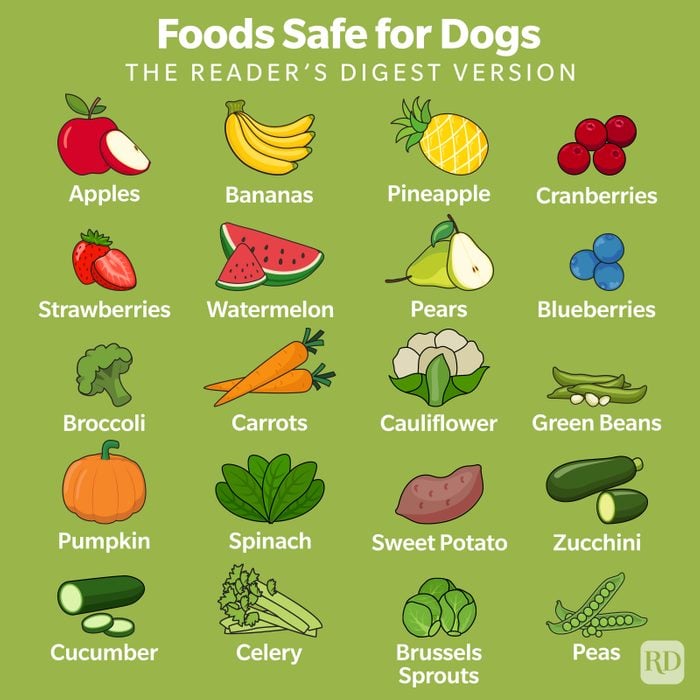
When considering What Human Foods Can French Bulldogs Eat Safely?, fruits rank high on the list because they deliver vitamins, antioxidants, & fiber that support skin, coat, & digestive health. French Bulldogs often enjoy sweet treats, & offering fruit adds variety without unnecessary fats or fillers found in many commercial snacks. The natural sugars in berries, apples, & melons provide a gentle energy boost, while their moisture content helps keep pups hydrated throughout the day. Integrating bite-sized fruit pieces into training routines or meal toppers encourages positive reinforcement & strengthens your bond. Keep in mind that fruit should complement, not replace, balanced kibble or raw diets formulated by veterinary nutritionists. Always remove seeds, cores, & pits to prevent choking hazards or digestive blockages. By inspecting labels when introducing new produce & watching for any signs of upset, pet parents can confidently share a rainbow of safe fruits with their Frenchie companions.
| Fruit | Key Nutrients |
|---|---|
| Blueberries | Antioxidants, Fiber |
| Apples (peeled) | Vitamin C, Fiber |
| Watermelon (seedless) | Hydration, Vitamins A & C |
Leafy Greens & Veggies That Promote Health
Fresh vegetables supply critical nutrients such as vitamin K, iron, & folate for bone strength & blood health in French Bulldogs. Dark leafy greens including spinach & kale carry powerful phytonutrients that support immune function, while carrots & green beans contain beta-carotene & fiber to aid digestion. Regularly adding mild, steamed, or raw veggies enhances stool quality & encourages healthy chewing activity, which is crucial for a brachycephalic breed prone to dental issues. Consistent variety reduces risk of intolerance or picky behavior, while offering new textures & flavors. That said, portion control is key. Too much fiber may cause gas or loose stools. Start with a teaspoon for small pups & increase gradually, monitoring any changes in appetite or stool consistency. Serve these veggies as occasional boosters rather than staples to maintain balanced macronutrient ratios in your dog’s diet.
-
Steamed Spinach: High in Iron
-
Raw Carrot Sticks: Crunch & Vitamin A
-
Green Beans: Low-Calorie Fiber
-
Cooked Pumpkin: Digestive Support
Safe Proteins: Eggs, Chicken, & Turkey
Proteins are the building blocks of muscle, immune cells, & enzymes in every dog, including French Bulldogs. Lean eggs provide amino acid balance, choline for brain health, & are highly digestible. When preparing eggs, opt for hard-boiled or softly scrambled without oil or seasoning. Skinless poultry such as chicken breast & turkey offers low-fat, high-quality protein that supports lean muscle mass & healthy weight management. Removing skin & visible fat prevents upset tummies. Rotate sources to avoid sensitivities: feed chicken twice a week, swap in turkey midweek, & serve boiled egg whites or blended yolks on weekends. Observe your Frenchie for allergic reactions like itching or gastrointestinal distress when introducing new protein. Cooking thoroughly kills bacteria, & shredding meat into bite-sized pieces encourages faster chewing – beneficial for short-muzzled pups that gulp food. This balanced approach ensures safe muscle support & steady energy for daily walks & play sessions.
| Protein Source | Benefits |
|---|---|
| Eggs (boiled) | Amino Acids, Choline |
| Chicken Breast | Lean Protein, Iron |
| Turkey (skinless) | Low-Fat Protein |
Dairy & Its Low-Lactose Options
While many dogs struggle with lactose tolerance, certain low-lactose dairy items can enrich a French Bulldog’s diet when served in moderation. Plain, unsweetened yogurt offers probiotics that foster gut flora diversity & reduce diarrhea risk. Choose varieties labeled “live active cultures” & skimmed to reduce fat content. Cottage cheese in small spoonfuls delivers calcium, essential for strong teeth & bones, while containing less lactose than milk. Always monitor your dog’s reaction; a small initial sample followed by a 24-hour observation period helps reveal any discomfort or gas. Avoid cheeses with added garlic, onion powder, or herbs that may harm your pet. Dairy treats can be mixed with chopped fruits or vegetables to create colorful, nutrient-dense snacks. Remember that dairy should never substitute primary meals but serve as occasional, enriching rewards during training or relaxation periods.
-
Plain Yogurt: Probiotic Boost
-
Cottage Cheese: Calcium-Rich
-
Lactose-Free Milk: Occasional Drink
-
Frozen Yogurt Cubes: Cooling Treats
Wholesome Grains & Carbohydrates
Carbohydrates fuel playful French Bulldogs, supplying energy for walks, agility courses, & enthusiastic greetings. Whole grains such as brown rice & oats offer slow-release energy, B vitamins, & trace minerals that support metabolism & coat quality. Always cook grains thoroughly, eliminating any hard kernels that pose a choking risk. Quinoa, though technically a seed, absorbs water to create a digestible texture rich in protein & lysine. Barley & millet can be introduced sparingly due to their fiber content. Portion size matters: limit to one teaspoon of cooked grain per five pounds of body weight, ensuring these foods complement a protein-first formula rather than dominate the bowl. Consistent hydration alongside grain servings prevents constipation. Rotate carbohydrate sources weekly to avoid intolerances & maintain appetite stimulation in your Frenchie’s mealtime routine.
| Grain | Nutritional Highlights |
|---|---|
| Brown Rice | Fiber, B Vitamins |
| Oats | Soluble Fiber, Iron |
| Quinoa | Complete Protein, Lysine |
Crunchy Snacks: Safe Nuts & Seeds
Certain nuts & seeds provide healthy fats & trace minerals that support cardiovascular health in French Bulldogs. Although many nuts can pose choking hazards or digestibility issues, pumpkin seeds are a standout choice when shelled & lightly toasted. They deliver zinc for immune support & magnesium for nerve function. Flaxseeds, ground finely, supply omega-3 fatty acids, promoting a glossy coat & joint comfort. Use a coffee grinder to create a fine powder that mixes easily into meals. Avoid macadamia nuts altogether, as they can cause weakness & tremors. Almonds should be served in moderation due to high fat content. Chia seeds, soaked in water to form a gel, aid hydration & slow digestion, helping with weight management. Introduce these ingredients one at a time, noting digestion & any gastrointestinal changes over a 48-hour window.
-
Pumpkin Seeds: Zinc Source
-
Ground Flaxseeds: Omega-3 Boost
-
Chia Seed Gel: Hydration Aid
-
Sunflower Seeds: Vitamin E (Shelled)
Hydrating Foods: Supports Digestion
French Bulldogs benefit greatly from foods with high water content since brachycephalic breeds often face breathing challenges that can reduce their water intake. Cucumber slices & seedless watermelon deliver refreshing hydration & lighten the digestive load on sensitive stomachs. Celery sticks, chopped finely, contribute fiber & trace sodium that help maintain electrolyte balance after active play sessions. Ice cubes made from diluted low-sodium broth encourage fluid consumption & serve as a cooling treat on warm days. Always supervise crunchier hydrating treats to prevent choking. Offering a small chilled carrot or broth-dipped apple wedge enriches taste while boosting daily liquid intake. Pair these snacks with regular access to fresh water & monitor urine color to confirm adequate hydration levels.
| Hydrating Food | Main Benefit |
|---|---|
| Cucumber | Moisture, Low-Calorie |
| Watermelon | Hydration, Vitamins |
| Ice Broth Cubes | Fluid Intake, Flavor |
Introducing Legumes & Beans Carefully
Legumes like lentils & green peas can serve as supplemental protein & fiber sources when prepared properly for French Bulldogs. Boiling until soft breaks down complex carbohydrates, reducing gas & promoting smooth digestion. Lentils deliver iron & B vitamins, while split peas offer soluble fiber that nourishes gut bacteria. Always rinse canned legumes thoroughly to remove excess sodium. Start with a teaspoon mixed into regular meals & increase slowly based on tolerance. Track stool quality daily for one week before adjusting the amount. Avoid kidney beans raw or undercooked, as they contain toxins harmful to dogs. A well-planned legume introduction can diversify amino acid profiles & support healthy weight through low-fat bulk. Keep portions modest to maintain overall caloric balance against lean proteins.
“What Human Foods Can French Bulldogs Eat Safely?” – Angelina Eichmann
-
Cooked Lentils: Iron & Fiber
-
Green Peas: Protein Boost
-
Chickpeas (mashed): Mild Flavor
-
Black Beans (rinsed): Fiber-Rich
Flavorful Herbs That Support Wellness
Herbs add aroma, micronutrients, & potential digestive aid to your French Bulldog’s meals. Fresh parsley can freshen breath & provide vitamin K. Chopped basil contains anti-inflammatory compounds & antioxidants, helping support joint mobility. Dill seeds have been used traditionally to soothe upset stomachs; finely crushed & mixed with plain yogurt, they can aid digestion. Rosemary, in tiny amounts, serves as a natural preservative when added to homemade treats. Mint leaves, sparingly offered, create a cooling sensation & some dogs love the taste. Always start with pinch-sized doses & watch your dog’s reaction closely. Avoid any herb containing high levels of essential oils like thyme & oregano in large amounts, since they can irritate sensitive stomach lining. Properly introduced, these herbs enliven bland diets & encourage picky eaters to consume their meals thoroughly.
| Herb | Potential Benefit |
|---|---|
| Parsley | Breath Freshener |
| Basil | Anti-Inflammatory |
| Dill | Digestive Aid |
Foods to Completely Avoid Sharing
Certain human ingredients can endanger French Bulldogs’ health & must always remain off-limits. Chocolate contains theobromine & caffeine, both toxic to dogs. Grapes & raisins can trigger acute kidney failure, even in small amounts. Onions & garlic carry compounds that damage red blood cells, leading to anemia. Xylitol, a sugar substitute in many sugar-free gums & baked goods, causes rapid insulin release & can result in hypoglycemia. Avocado flesh & skin contain persin, which can upset the heart & lungs. Macadamia nuts frequently lead to weakness & tremors, while raw dough continues fermenting in the stomach, producing dangerous gases. Keep counters clear & securely store pantry items to prevent accidental ingestion. Educate family members & guests about these foods so that even well-meaning visitors won’t offer harmful treats.
-
Chocolate: Theobromine Poisoning
-
Grapes/Raisins: Kidney Damage
-
Onion/Garlic: Red Blood Cell Injury
-
Xylitol-Containing Snacks: Hypoglycemia
-
Macadamia Nuts: Neurological Issues
Baking Human Treats for Your Bulldog
Creating homemade treats allows you to control every ingredient, ensuring safety & quality for your French Bulldog. Simple recipes use whole wheat or oat flour mixed with pureed pumpkin or mashed bananas for moisture & natural sweetness. Add small amounts of finely chopped herbs like parsley for fresh flavor. Bake at low temperatures (around 350°F) until crisp to prevent undercooked centers. Shape treats into small bones or hearts to match your pet’s jaw size. Store in airtight containers for up to five days or freeze batches to extend freshness. Avoid excessive oils or sugar; lean toward nutrient-rich alternatives like applesauce or plain yogurt for binding. By customizing flavor profiles say coconut oil, turmeric, or peanut butter without xylitol you’ll keep your pup excited & eager for training sessions.
| Ingredient | Role |
|---|---|
| Oat Flour | Base, Fiber |
| Pumpkin Puree | Moisture, Fiber |
| Peanut Butter | Taste, Healthy Fat |
Adjusting Portion Sizes by Breed Needs
French Bulldogs have compact bodies & moderate activity levels, so portion adjustments prevent rapid weight gain. A general rule: allot one teaspoon of human food per kilogram of body weight per feeding, ensuring it constitutes no more than 10 percent of daily caloric intake. Combine with regular meal programming: if lunch includes a human-food topper, reduce kibble by equivalent calories. Use measuring spoons & kitchen scales for precision rather than guessing by eye. Keep logs of daily servings & any behavior or stool changes, adjusting upward or downward by small increments. For puppies & seniors, further reduce portions & serve more frequent, smaller meals to maintain steady blood sugar levels. Consulting with a veterinary nutritionist guarantees personalized guidelines, but these general rules help most French Bulldogs maintain ideal body condition.
-
1 tsp per kg Body Weight
-
Human Foods ≤10% of Total Calories
-
Meal Logs: Track Intake & Effects
-
Scale & Spoon: Accurate Measurements
Timing & Frequency of Human Food Treats
Proper scheduling of human food treats prevents digestive upset & nutrient competition in French Bulldogs. Offer small samples 30 minutes after a balanced meal to avoid rushing stomach emptying. Limit treat sessions to two or three per day, spacing them evenly. Use short walks or playtime immediately after treat sessions to promote digestion & reduce boredom-driven snacking. When offering freeze-dried or fresh fruits & vegetables, integrate them into routine breaks rather than as stand-alone feasts. This approach prevents overindulgence & encourages positive behavior by tying treats to activities. Keep a visible dry food bowl during treat times to remind your dog that primary nutrition remains kibble or veterinarian-approved meals. This structure supports healthy routines & consistent portion control.
| Treat Timing | Guideline |
|---|---|
| Post-Meal | Wait 30 Minutes |
| Treats per Day | Max 3 Sessions |
| Activity Pairing | Short Walk or Play |
Recognizing Allergic Reactions Early
French Bulldogs are predisposed to food sensitivities, so controlling new human food introductions is vital. Watch for itching around ears, paws, or belly within 24 to 48 hours of a novel treat. Digestive signs like frequent flatulence, diarrhea, or vomiting signal that your dog may not tolerate a specific ingredient. Red, inflamed skin folds can indicate an allergic flare requiring veterinary attention. Keep a journal of every new food & its reaction time. Should allergy symptoms appear, immediately remove suspect items & monitor improvements. In severe cases, anti-itch shampoos, hypoallergenic diets, or veterinarian-prescribed medications may become necessary. Early recognition helps cure irritations faster & prevents chronic skin issues that become costly & stressful for both pet & owner.
-
Itching or Redness
-
Gas or Gastrointestinal Upset
-
Vomiting After Treats
-
Swollen Paws or Belly
Seasonal Foods: Summer & Winter Options
Adapting human food treats according to season enhances safety & enjoyment for French Bulldogs. During summer, focus on water-rich fruits like watermelon, cucumber, & strawberries to prevent overheating. Freeze small portions into ice cube trays for icy pops that cool panting pups. In cooler months, serve warmed pureed squash or pumpkin mixed with a dash of cinnamon (no nutmeg) to create a soothing, nutrient-dense mush. Applesauce cubes baked into mini muffins provide fiber & comfort on chilly mornings. Seasonal herbs like fresh thyme can supplement respiratory health when added to winter treats. Rotate seasonal foods gradually to avoid abrupt diet changes & to respect developing taste preferences. This method supports immune resilience & maintains enthusiasm for healthy snacks year-round.
| Season | Recommended Treats |
|---|---|
| Summer | Frozen Watermelon Cubes |
| Winter | Warm Pumpkin Purée |
| All Seasons | Plain Yogurt Bites |
Tracking Health Improvements Over Time
Keeping a detailed health journal helps dog parents assess how human foods affect their French Bulldogs over weeks & months. Log daily weight, coat sheen, energy levels, & stool consistency along with the foods offered. Note measurable changes like reduced joint stiffness or shinier fur, correlating them with specific ingredients such as fish oil–rich seeds or antioxidant berries. Photograph your dog monthly to visually track body condition, especially around the waist & rib area. Use smartphone apps or spreadsheets for precise data analysis. If certain foods contribute to clear improvements, gradually increase their role while still balancing the overall diet. Present these records to your veterinarian during checkups for informed adjustments & to secure recommendations personalized to your pet’s evolving needs.
-
Daily Food & Behavior Log
-
Monthly Photos for Comparison
-
Weight Tracking Scales
-
Vet Review of Records
I still recall the first time I offered my Frenchie a small piece of steamed sweet potato, & I was thrilled to see him eagerly accept it without any upset stomach. Since then, I’ve experimented with dozens of human foods, always noting each reaction & learning what What Human Foods Can French Bulldogs Eat Safely? truly means for my own beloved pup.

Conclusion
Frenchies love sharing snacks, but not every human food is safe. Stick to plain lean meats like chicken or turkey without seasoning. Offer bite-sized carrots, slices of apple (no seeds), blueberries, plain pumpkin, or small bits of banana for a sweet treat. Always avoid chocolate, grapes, onions, garlic, & anything seasoned or high in fat. Introduce new foods slowly & watch for tummy upset or allergies. Keep portions small to avoid weight gain. Use these snacks as occasional treats, not meal replacements. When in doubt, check with your vet. Safe feeding keeps your French Bulldog happy & healthy & lively.
